United States
 United Kingdom
 Europe
 Australia
 Canada
 Denmark
 Germany
 Hong Kong
 Japan
 Mexico
 Norway
 Poland
 Saudi Arabia
 Singapore
 Sweden
 Switzerland
 United Arab Emirates
 Qatar

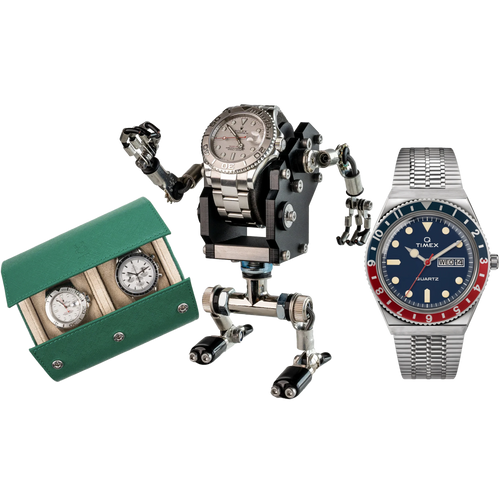
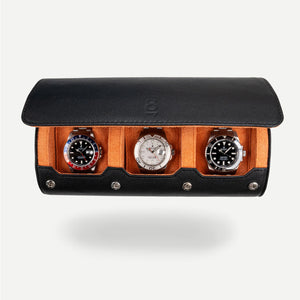
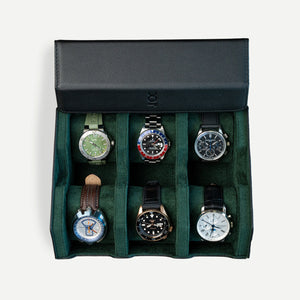
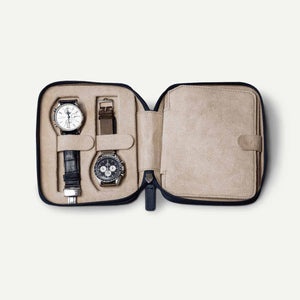
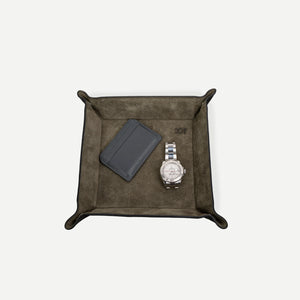
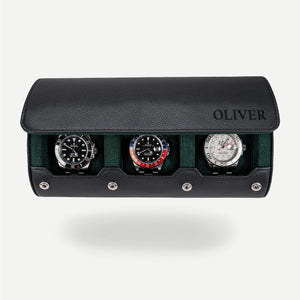
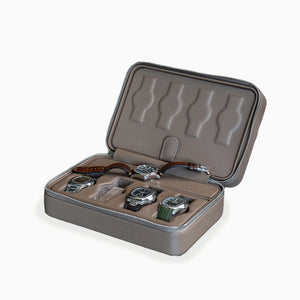
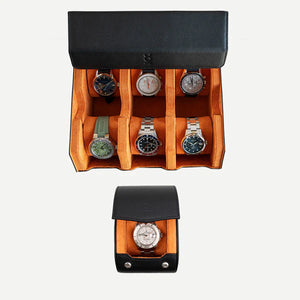
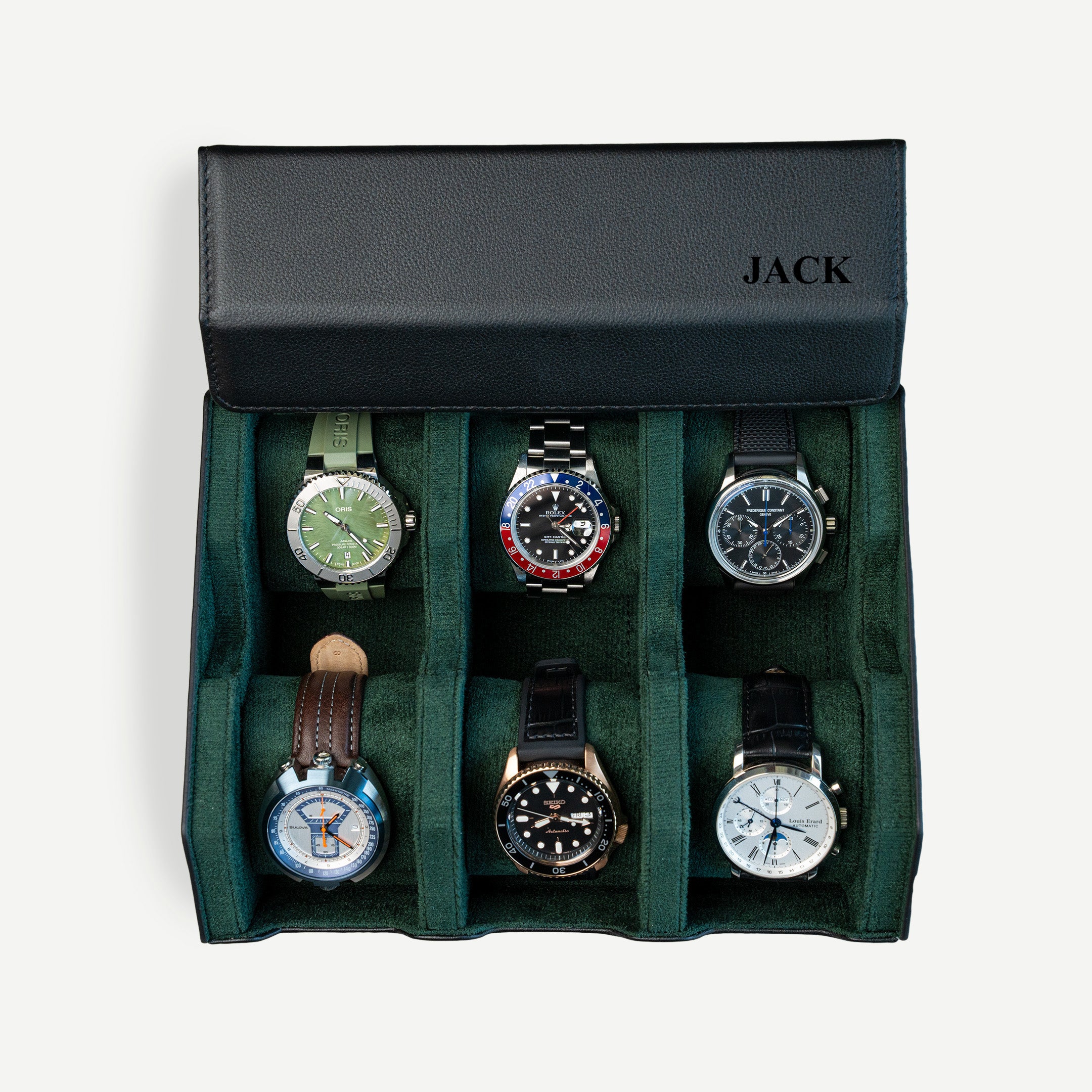
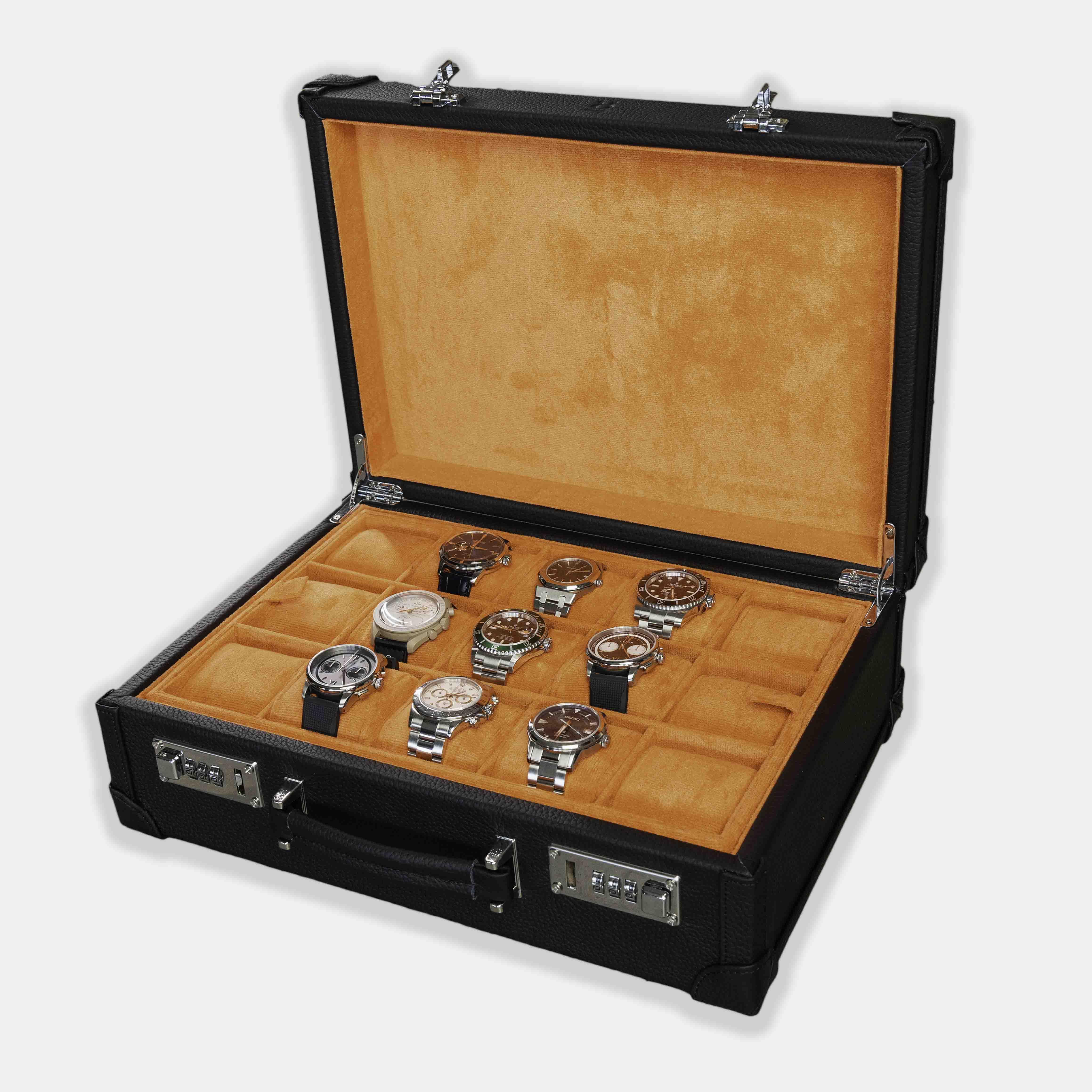
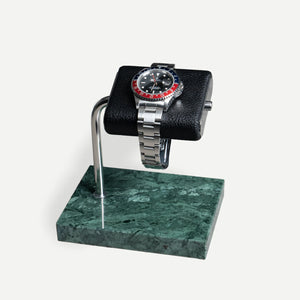
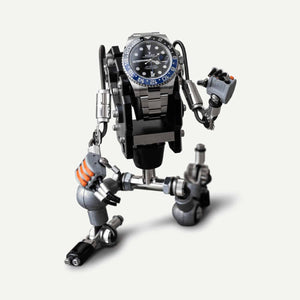
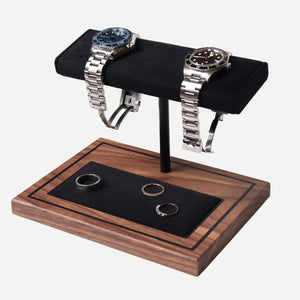
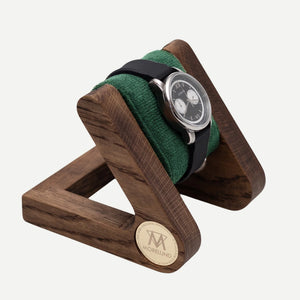
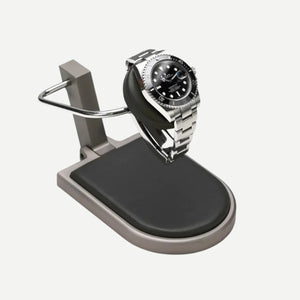
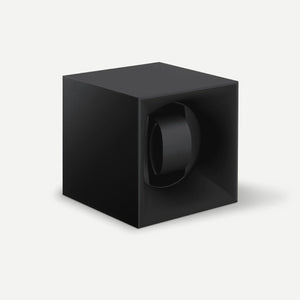
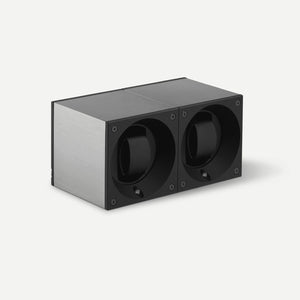
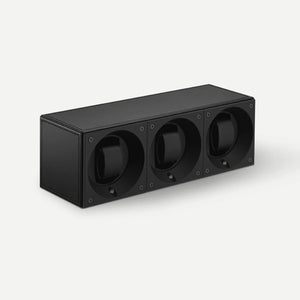
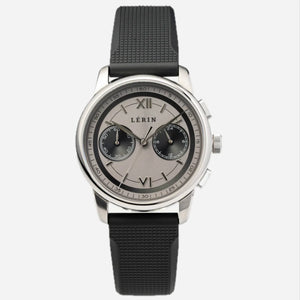
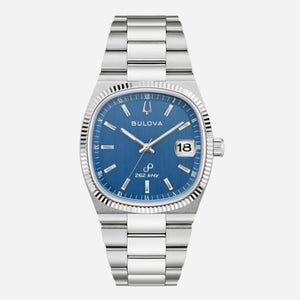
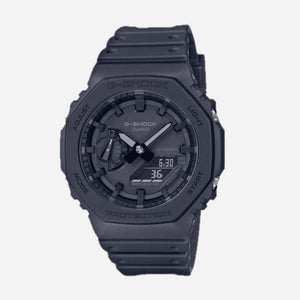
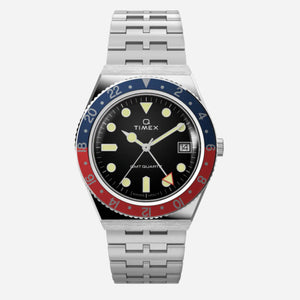
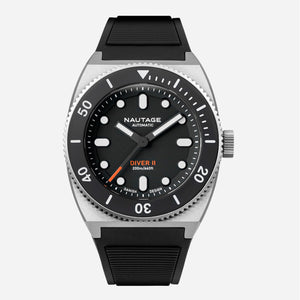

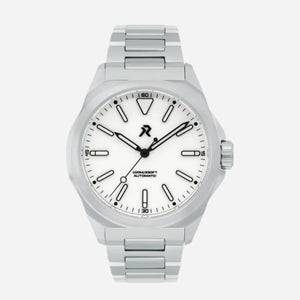
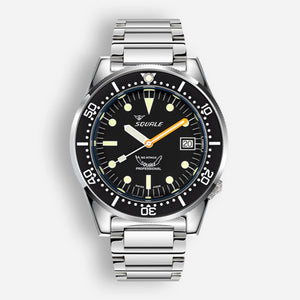
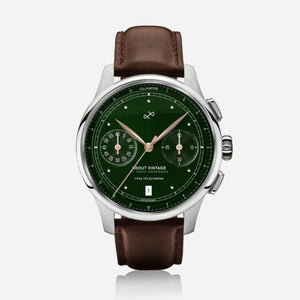
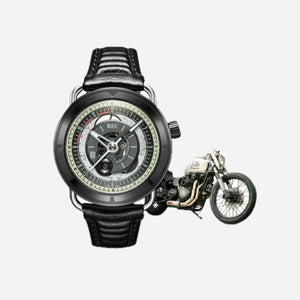
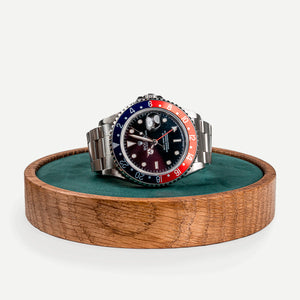

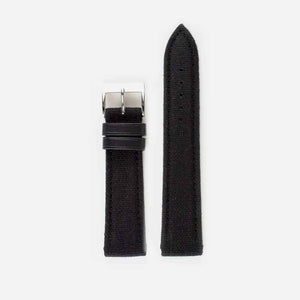


The best way to store watches is to keep them clean, dry, dust-free, protected from direct light, and separated so cases, crystals, bracelets, and clasps cannot rub together. These simple conditions suit most watches, whether you wear one daily or rotate a small collection. Good storage is not about hiding a watch away. It is about keeping it protected and ready when you want to wear it.
How to store watches in the right conditions
Before putting a watch away, wipe away fingerprints, dust, and everyday residue with a clean, soft cloth suitable for the watch’s materials. Check that the clasp is closed or positioned so it will not scrape the case, and make sure a leather strap is dry before it goes into storage. A watch that is put away clean is less likely to collect grime in tight areas around the bracelet, crown, or caseback.
Choose a stable place away from windows, radiators, damp rooms, and strong magnetic sources. Direct sunlight can affect finishes and straps over time, while humidity is an unnecessary risk for cases, straps, and older seals. Separation matters just as much as the location: even sturdy watches can pick up avoidable marks when metal parts are left in contact.

Choose a storage method based on how you wear your watches
The best storage method depends on how often you wear your watches, how many you own, and how much protection and access you need. A compact solution may be ideal for one everyday watch, while a collection benefits from separate compartments and a clear organisation system. Start with your routine, rather than assuming the largest or most technical storage option is automatically the right one.
For one regularly worn watch, a soft pouch, padded tray, or compact watch box keeps it away from hard bedside surfaces and crowded drawers. This gives you quick access while protecting the crystal, case, and strap between wears. A pouch can also be useful if you want a simple protected place for a watch that is not on your wrist.
A watch box or lined drawer insert is often the most practical choice for several watches. Individual spaces make it easy to separate a daily watch from formal or special-occasion pieces. You can organize the collection in the way you actually use it, rather than digging through a drawer every morning.
- A soft pouch suits one watch that needs light, compact protection between wears
- A watch box works well for multiple watches that should stay visible, separated, and organized
- A drawer insert is useful when you prefer discreet storage but still want individual spaces
- A safe can add physical security, provided the watches remain dry, clean, and protected from contact
- A display case suits presentation-focused collections when it stays closed against dust and away from direct sunlight
A watch winder has a narrower purpose. It is designed for certain automatic watches and keeps them rotating while they are not being worn. It is not the default answer to how to store a watch, and it is not needed for quartz or manual watches.

How to store automatic watches, manual watches, quartz watches, and vintage watches
Different watch types need different storage considerations because their movements and materials don't work in the same way. The storage environment should always be clean, dry, and protective, but the decision to use a watch winder, monitor a battery, or seek specialist help depends on the watch itself. This is especially important when you are storing a watch for longer than a few days.
Automatic watches: box or watch winder?
An automatic watch is a mechanical watch powered by movement from your wrist, so it may stop after it has not been worn for a while. That is normal. For many owners, a padded watch box is enough when the watch is off the wrist. You can wind and set it again before wearing it, following the instructions for your specific model.
A watch winder can make sense if you wear an automatic watch frequently and prefer it to remain running between wears. It may also be useful for watches with complications that take more time to reset. Still, a watch winder is optional, not a requirement for every automatic watch. If you use one, follow the manufacturer’s guidance for your watch and the winder’s settings.
Manual and quartz watches
Manual-wind watches benefit from the same careful physical protection as any other watch. Store them in a separate, padded space and follow the maker’s guidance when winding the movement again. There is no need to treat a manual watch like an automatic one by placing it in a watch winder.
Quartz watches are usually straightforward to store in a box, pouch, or drawer insert. For long-term storage, battery awareness is important. If you are uncertain about the battery’s condition or if the watch will be unused for an extended period, a qualified watchmaker can advise on the appropriate next step for that model.
Vintage watches need extra caution
Vintage watches deserve stable conditions and gentle handling because their condition, seals, and service history can vary widely. Keep them away from moisture, heat, and sudden environmental changes, and avoid forcing crowns or controls if something feels unusual. Where the condition of an older watch is uncertain, professional assessment is the sensible option before long-term storage.

Prepare watches for longer-term storage
Long-term watch storage should follow a simple routine: clean, protect, inspect, and maintain. Whether a watch is rarely worn or being put away for months, preparation helps you spot visible concerns before they become easy to overlook. A quality storage accessory supports this routine, but it does not replace sensible checks or model-specific care.
Start by gently cleaning the case, bracelet or strap, clasp, and areas where dust tends to collect. Make sure the watch is dry, especially if it has recently been exposed to rain, moisture, or perspiration. Then place it in a dust-free space where it cannot move against other watches, hard metal objects, or loose accessories.
- Clean the watch with a soft, appropriate cloth before it is stored
- Check the strap, bracelet, clasp, and case for visible dirt, wear, or moisture
- Place the watch in a dry, padded storage space away from light and heat
- Carry out periodic visual inspections for dust, moisture concerns, or changes in strap condition
For quartz watches, include the battery in your storage planning. For automatic, manual, and vintage watches, remain aware of the manufacturer’s instructions and any existing service needs. Stored watches should not become a set-and-forget part of your collection.
Avoid common watch storage mistakes
Most watch storage mistakes come from convenience, not carelessness. Leaving a watch on an exposed surface, putting it into a crowded drawer, or storing it before cleaning can create risks that are easy to avoid. A more considered setup does not need to be complicated.
Do not store watches in direct sunlight, close to heat sources, or in damp locations. Avoid letting bracelets, buckles, and cases touch, even if the watches are only being stored briefly. Do not assume that every automatic watch belongs in a watch winder, and do not overlook battery considerations when storing a quartz watch for a long period.
It is also worth avoiding unsuitable storage materials. Rough, dusty, or poorly lined spaces can work against the care you put into choosing and wearing your watches. Protection should come before presentation, although a well-designed watch box can achieve both.

Choose the storage solution that fits your collection
How to store watches comes down to two questions: what type of watch do you own, and how often do you wear it? Keep every watch clean, dry, sheltered from direct light, and separate from other hard surfaces. Then choose a pouch, tray, watch box, drawer insert, safe, display case, or watch winder that suits your routine.
One everyday watch may only need a soft-lined resting place. A growing collection benefits from organization and individual compartments. Automatic watches deserve specific thought, but a watch winder is only one possible tool. The right setup is the one that makes careful storage simple enough to maintain.
Explore DailyWatch storage accessories to find a considered home for the watches you wear every day and the pieces you save for special occasions.